
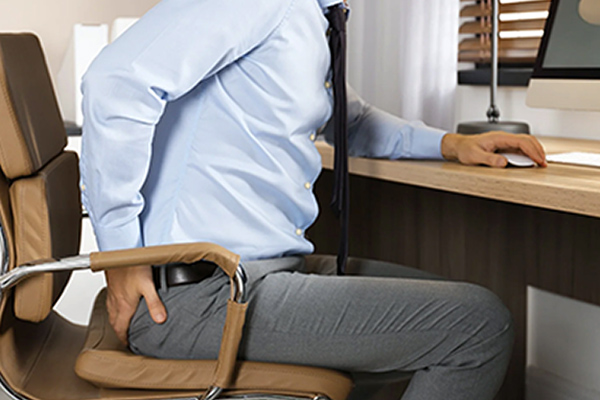
Modern work rewards stillness. Screens glow, deadlines stretch, and bodies remain seated longer than ever before. What feels productive quietly disrupts digestion and rectal circulation. Early discomfort often hides behind busy schedules until pain interrupts daily life.
Understanding this silent risk protects long-term health. Ideally, working professionals should visit a trusted piles doctor near them before symptoms affect work performance.
Let’s uncover more about how sitting for long hours increases the risk of piles among working professionals.
Hidden Health Impact From Desk Jobs Most Working Professionals Ignore
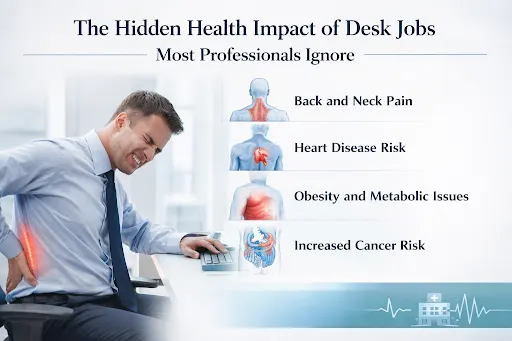
When people ask, can an office job cause piles? The answer increasingly lies in how modern work habits shape everyday health. Desk jobs influence digestion as much as posture. Reduced movement slows circulation and bowel rhythm.
Moreover, corporate routines encourage long hours of sitting, irregular hydration, and stress-driven eating habits. Together, these pose a significant risk of developing piles from prolonged sitting.
Common workplace triggers include
- Back-to-back meetings limit restroom breaks
- Coffee replacing proper hydration
- Stress delays bowel response
- Screen-focused sedentary behaviour
What Are Piles (Haemorrhoids) and Why Do They Develop?
Simple Explanation of Piles
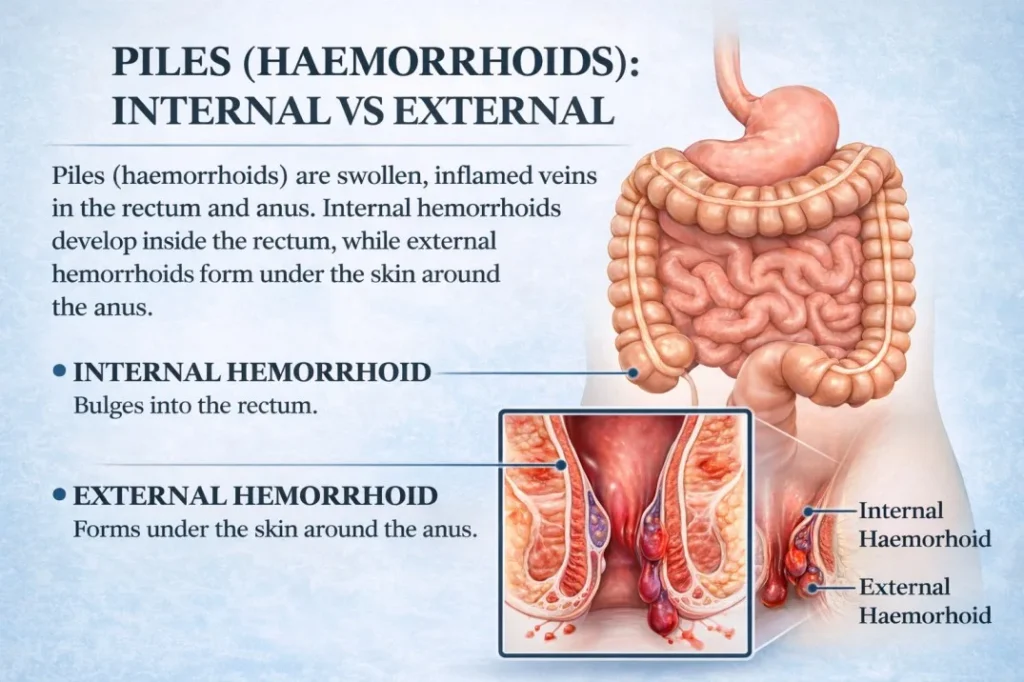
Piles (haemorrhoids) are swollen veins in the rectum or anus. They develop due to increased pressure from chronic constipation, straining, prolonged sitting, a low-fibre diet, or pregnancy. Common symptoms include bleeding, discomfort, and irritation.
Internal vs External Piles Difference
Internal piles occur inside the rectum and may bleed painlessly during bowel movements. External piles develop outside and often cause discomfort while sitting or walking.
Refer To The Table Below
| Type | Location | Common Symptoms |
| Internal | Inside rectum | Bleeding, incomplete evacuation |
| External | Outside anus | Pain, swelling, itching |
How Prolonged Sitting Increases Piles Risk
Increased Pressure on Rectal Veins
Body weight continuously compresses the pelvic veins when sitting for extended periods. Gravity slows blood return, which can encourage swelling around the rectal vessels.
This explains the rising cases of haemorrhoids from prolonged sitting among office professionals. Pressure sustained daily gradually weakens vascular walls.
Reduced Blood Circulation During Long Sitting Hours
Movement acts like a pump supporting circulation. Without it, blood pools and vein dilation increase gradually.
- Reduced oxygen supply delays tissue healing
- Swelling persists longer after bowel movement
- Inflammation becomes repetitive
Circulation thrives on motion. Chairs restrict it silently.
Slower Digestion and Constipation Link
A sedentary lifestyle and piles often develop together because metabolism slows during inactivity. Digestive movement weakens, delaying bowel emptying.
The connection between severe constipation and piles arises when hard stools repeatedly increase straining pressure.
Gut rhythm reflects lifestyle discipline more than medication.
Poor Toilet Habits in Office Routines
Busy schedules encourage unhealthy bathroom habits. Ignoring bowel urges hardens stool and increases strain during evacuation.
Common office patterns include:
- Scrolling phones while sitting longer
- Delaying restroom visits during meetings
- Excessive straining for quick relief
These explain why desk jobs cause haemorrhoids more frequently today.
Many professionals now consult Dr Sanjoy Mandal, a notable piles doctor in Kolkata, when symptoms begin to affect concentration and sitting comfort.
How Piles Risks Increase From Work-from-Home Culture
Reduced Physical Movement
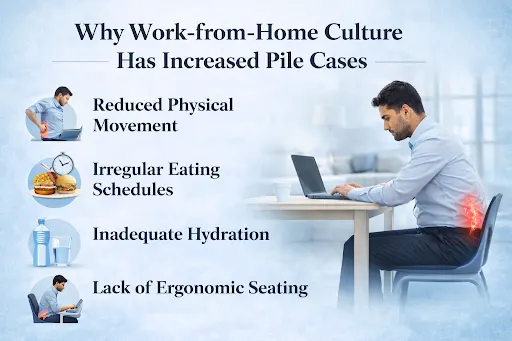
Even small walking routines once protected circulation without conscious effort. But work-from-home setups remove walking associated with commuting or office movement. Reduced activity slows digestion and increases venous pressure.
Irregular Eating Schedules
Consistency in eating habits trains digestion more effectively than occasional healthy eating. But late-night work or skipped breakfasts disrupt digestive signals. The bowel loses its timing rhythm when meals vary daily.
Inadequate Hydration
Fluid balance directly determines stool softness. Many professionals rely on tea or coffee rather than water intake. Dehydration thickens stool and increases bowel strain.
Lack of Ergonomic Seating
Comfortable furniture does not always mean healthy alignment. Beds and sofas rarely support proper posture during long work sessions. Pelvic compression increases when seating lacks lumbar support.
Early Piles Symptoms Office Workers Should Never Ignore
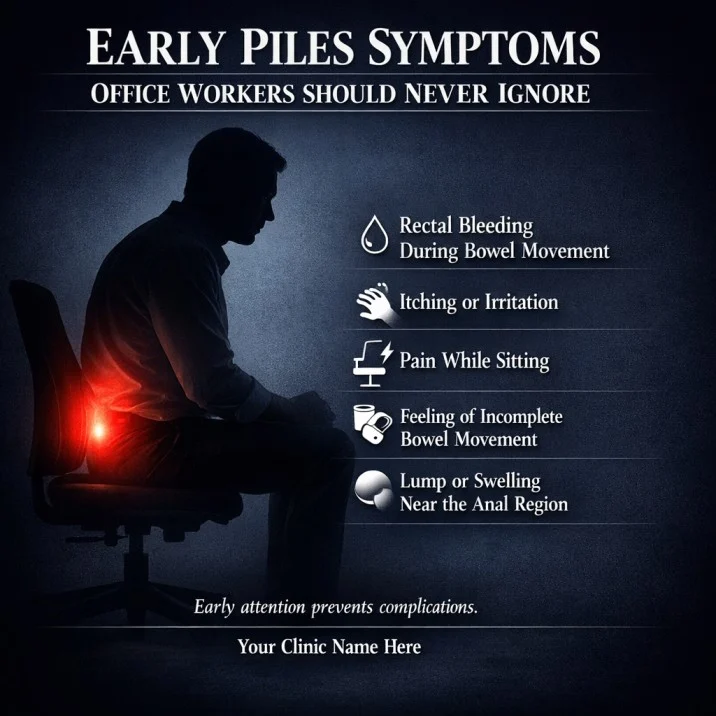
Rectal Bleeding During Bowel Movement
Fresh bleeding indicates vein irritation even when pain remains absent. Many patients mistake this symptom for temporary irritation.
Rectal bleeding during bowel movement always deserves evaluation rather than observation.
Itching or Irritation
Skin discomfort often precedes visible swelling. Persistent itching develops due to mucus discharge or swelling around the anal skin. Irritation worsens after long office hours.
Pain While Sitting
Pain increases because swollen veins are constantly pressed against chair surfaces. Long meetings or travel often worsen symptoms.
Simply put, discomfort during sitting becomes the earliest professional productivity barrier.
Feeling of Incomplete Bowel Movement
Healthy bowel movements should feel effortless and complete. That said, incomplete bowel evacuation can lead to repeated straining attempts throughout the day. This increases pressure on already swollen veins.
Lump or Swelling Near the Anal Region
External swelling may appear suddenly after constipation or prolonged strain. Tender lumps often indicate worsening disease.
Persistent symptoms of piles in office workers should prompt consultation with a piles doctor for early management.
Lifestyle Habits That Silently Increase Piles Risk in Office Workers
Low Fibre Diet
A simple dietary adjustment often dramatically reduces symptoms. Low intake of vegetables and fruits slows intestinal motility. Fibre absorbs water, helping prevent hard stool formation.
High Processed Food Intake
Fast solutions often create slow digestive consequences. Convenience meals lack fibre and increase digestive sluggishness. Salt-heavy foods also worsen dehydration.
Chronic Dehydration
Hydration acts as natural lubrication for bowel movement. Yet, for many, coffee and energy drinks dominate many office routines. As a result of insufficient water intake, risks spike exponentially.
Weight Gain and Obesity
Metabolic health strongly influences digestive comfort. However, excess abdominal pressure (due to weight gain and obesity) continuously strains the rectal veins. Hence, proper weight management is crucial, as it reduces the risk of recurrence after treatment.
Chronic Stress and Irregular Sleep
Stress hormones slow digestion and disrupt bowel signals. Poor sleep worsens inflammation and recovery.
Dr Sanjoy Mandal, a reliable piles doctor in Kolkata, strongly recommends treating piles and making lifestyle changes before invasive procedures.
How Office Workers Can Prevent Piles: Practical Daily Routine
Movement Breaks Every 30–45 Minutes
Short walking or stretching breaks effectively restore circulation.
- Stand briefly during calls
- Stretch hips and lower back
- Correct posture alignment
Fibre-Rich Office Diet Planning
Fruits, salads, nuts, and whole grains naturally soften stool. Balanced meals reduce sudden bowel strain. This approach answers many asking ‘how to prevent piles in office job environments.’
Hydration Routine for Desk Workers
Drink water regularly throughout the day rather than in large quantities occasionally. Spacing fluids supports consistent bowel movement.
Toilet Habits That Protect Rectal Health
Respond quickly to bowel urges and avoid prolonged sitting in washrooms. Healthy toilet habits include:
- No phone scrolling
- Avoid excessive straining
- Maintain a consistent morning routine
Preventive counselling from Dr Sanjoy Mandal, a renowned piles doctor in Kolkata, often builds sustainable routines.
Best Sitting Posture to Reduce Piles Risk
Chair Support Positioning
Maintain an upright spine with proper lumbar support to keep the pelvis in a neutral position. Poor back support leads to a subtle pelvic tilt, which gradually increases pressure on the rectal veins. Correct chair alignment improves circulation and reduces strain during prolonged sitting.
Use of Ergonomic Cushions
Many professionals ask about the best sitting posture to avoid piles. Cushions distribute body weight evenly. Pressure distribution protects sensitive tissue.
Leg Positioning and Foot Support
Keep feet flat on the floor or supported with a footrest during long sitting hours. Proper leg alignment prevents pelvic compression and supports healthy venous return. Balanced posture reduces pressure buildup around rectal veins and improves circulation.
Importance of Standing Desk Alternatives
Alternating between sitting and standing reduces prolonged pelvic pressure and restores circulation. Adjustable desks encourage movement without disrupting workflow. Regular posture change remains one of the most effective preventive habits against the risk of piles.
When Piles Symptoms Require Medical Consultation
- Persistent bleeding: Bleeding lasting several days requires investigation to rule out serious causes.
- Severe pain or swelling: Sudden, painful swelling may indicate thrombosis and require urgent care.
- Recurring symptoms despite lifestyle correction: Failure of home remedies signals an advanced stage of disease.
- Sudden increase in lump size: Rapid swelling requires assessment without delay.
Early consultation with a piles doctor in Kolkata prevents prolonged suffering.
Treatment Options for Piles in Working Professionals
- Lifestyle and Dietary Correction: Dietary fibre, hydration, and bowel retraining form first-line therapy.
- Medications and Conservative Treatment: Medicines reduce inflammation and improve bowel comfort.
- Minimally Invasive Procedures: Laser and banding treatments offer faster recovery.
Surgical Treatment in Advanced Cases
Severe disease may require surgery under expert supervision. Dr Sanjoy Mandal combines modern techniques with personalised recovery planning.
Can Piles Become Serious If Ignored?
Untreated piles may progress to complications that affect health and professional productivity.
- Risk of Anaemia from Bleeding: Repeated bleeding gradually reduces haemoglobin levels.
- Thrombosed Piles Complications: Clots cause sudden, intense pain and swelling.
- Impact on Quality of Life and Productivity: Painful sitting significantly disrupts concentration and work output.
Sample Office-Friendly Anti-Piles Routine
| Time | Habit Suggestion |
| Morning | Fibre breakfast + hydration |
| Office Start | Correct posture |
| Mid-Morning | Stretch + water |
| Lunch | Balanced fibre meal |
| Afternoon | Walking break |
| Evening | Exercise |
People Also Ask
Can Sitting Long Hours Directly Cause Piles?
Yes. Prolonged sitting increases rectal pressure and slows circulation, raising the risk of piles significantly over time.
Are Piles Common in IT Professionals?
Yes. Long sitting, irregular meals, stress, and reduced movement increase risk among IT professionals.
Does Using Soft Cushions Prevent Piles?
Cushions temporarily reduce pressure but cannot replace movement or fibre intake.
Can Piles Go Away With Lifestyle Changes?
Early piles may improve with hydration, increased fibre intake, and correction of bowel habits.
Is Bleeding Always a Piles Symptom?
No. Persistent bleeding requires medical evaluation to rule out other digestive diseases.
How Long Can Piles Last if Untreated?
Untreated piles may worsen gradually over months and lead to complications requiring advanced treatment.
Final Verdict
Prolonged sitting increases pelvic pressure, slows digestion, and worsens constipation among office professionals. Early lifestyle correction prevents complications and productivity loss. For accurate diagnosis, prevention counselling, and advanced treatment planning, many patients trust Dr Sanjoy Mandal, a dedicated piles doctor in Kolkata, for compassionate and effective care.